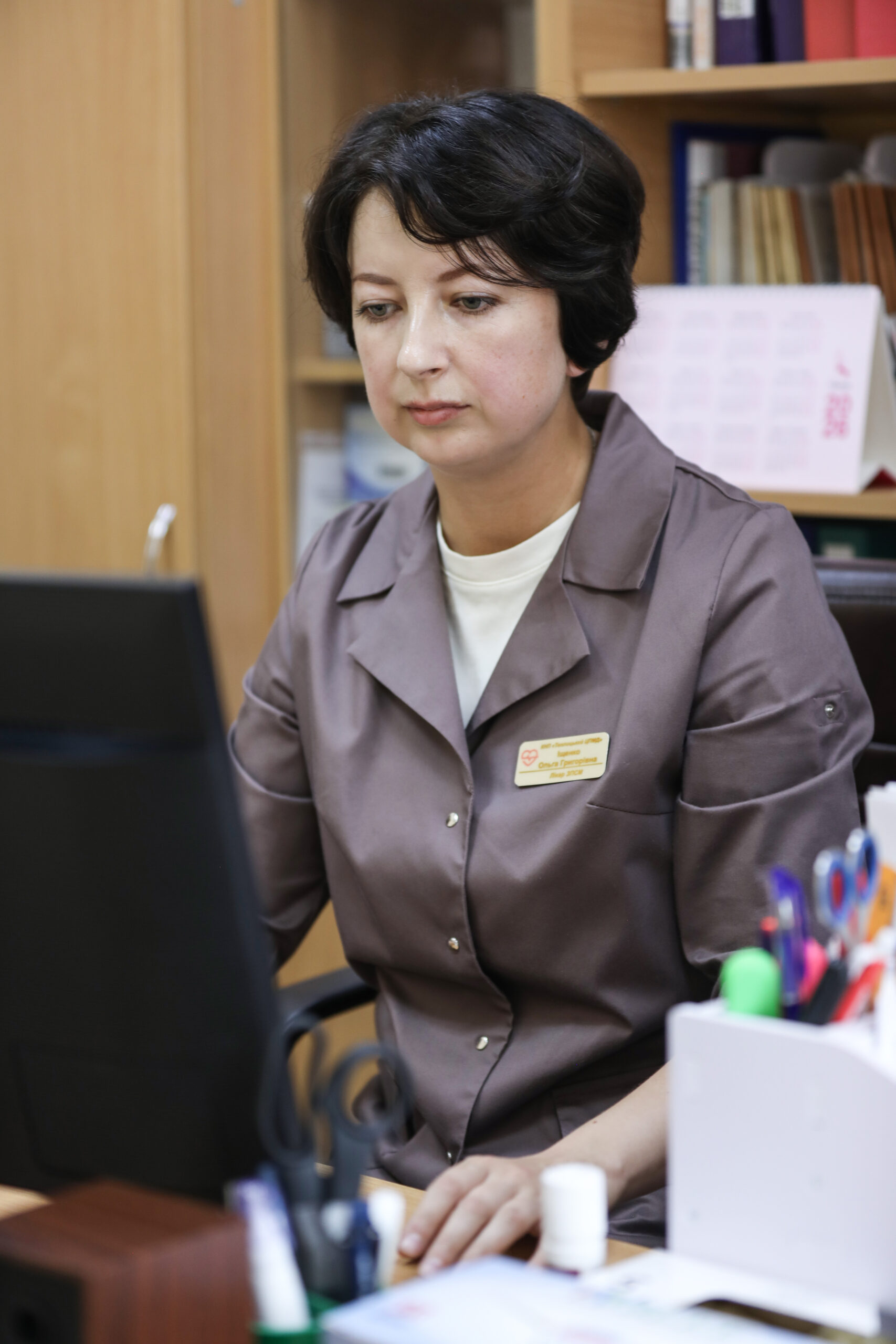
Olha Ishchenko
Family Doctor at the Teplyk Primary Healthcare Center
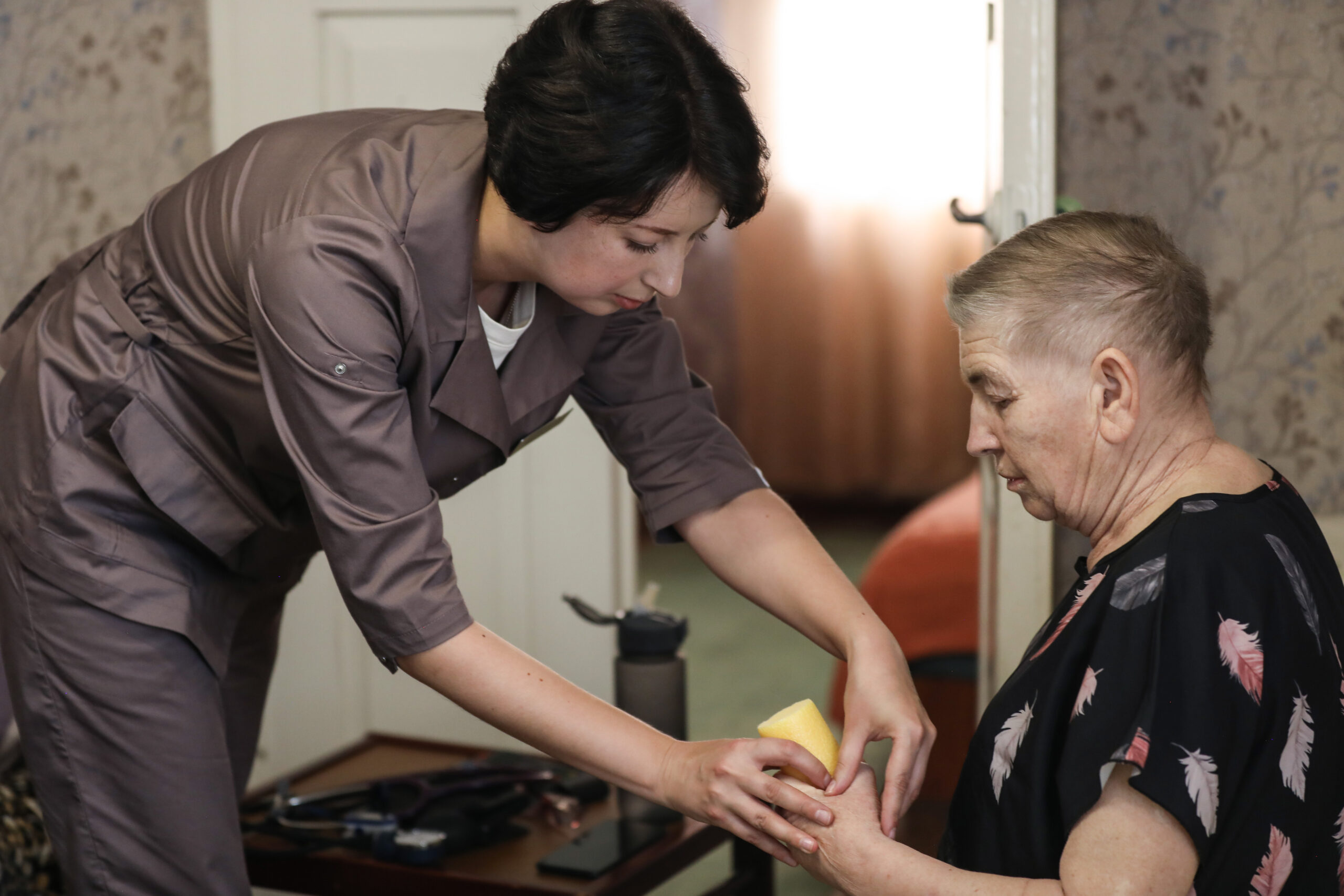
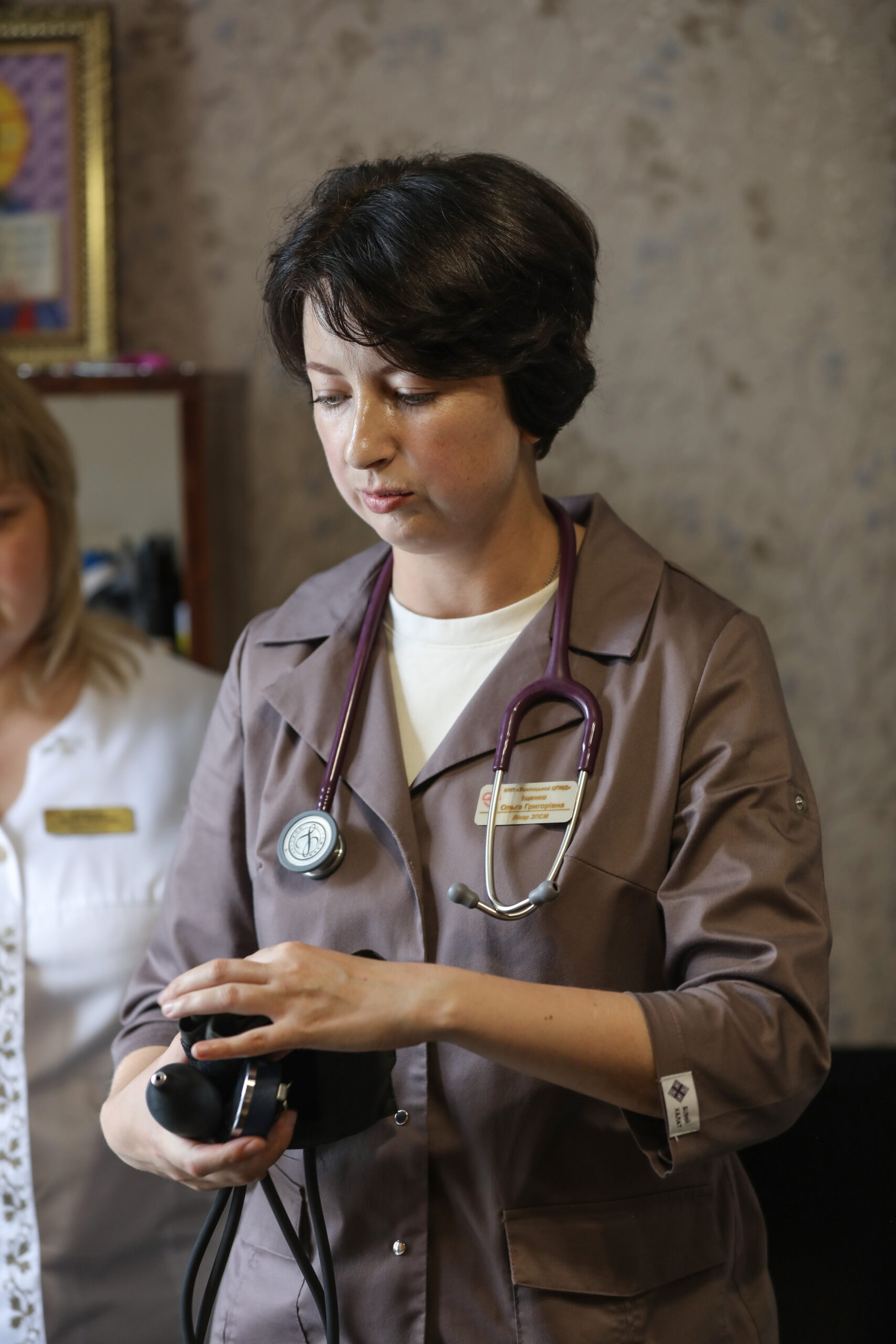
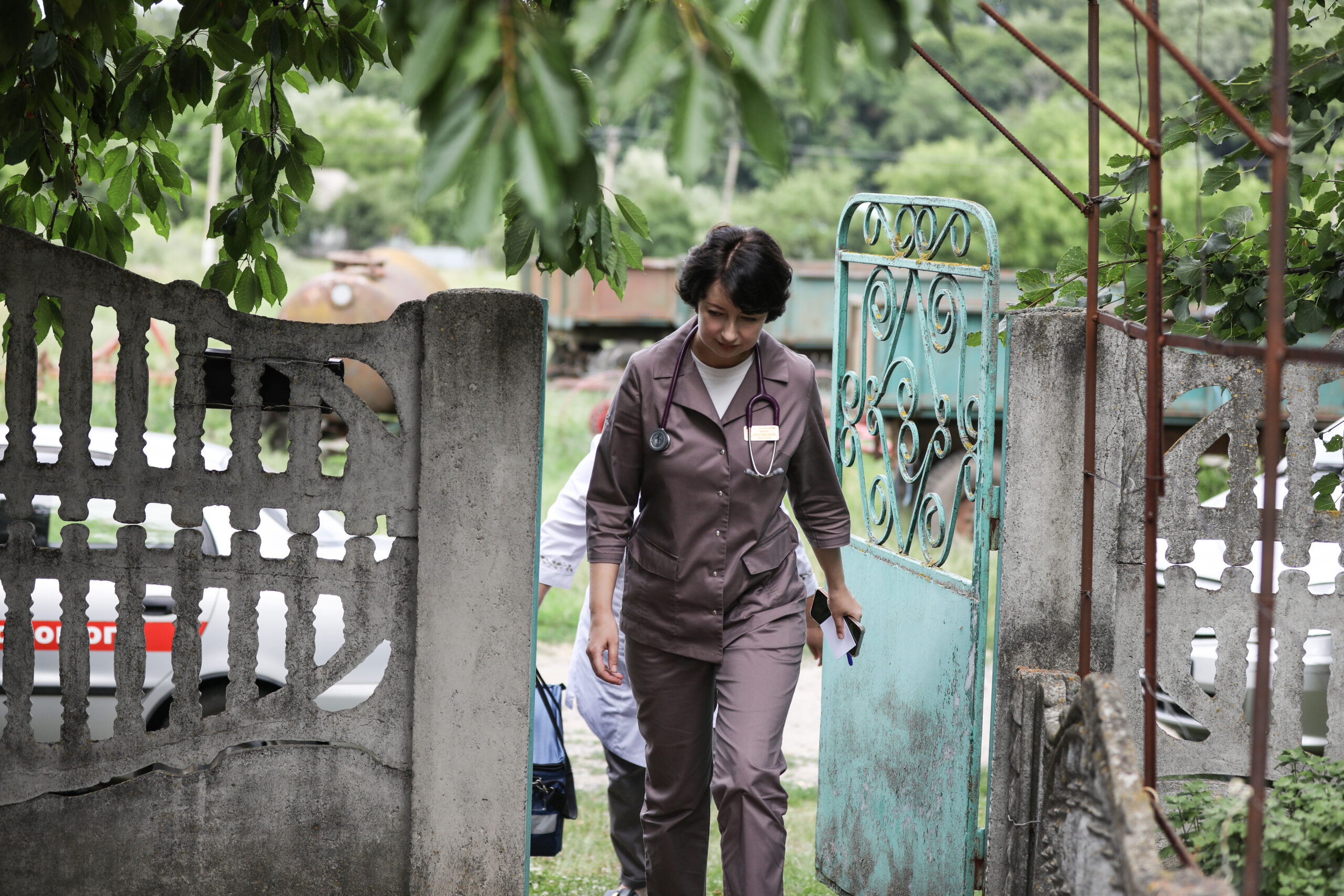
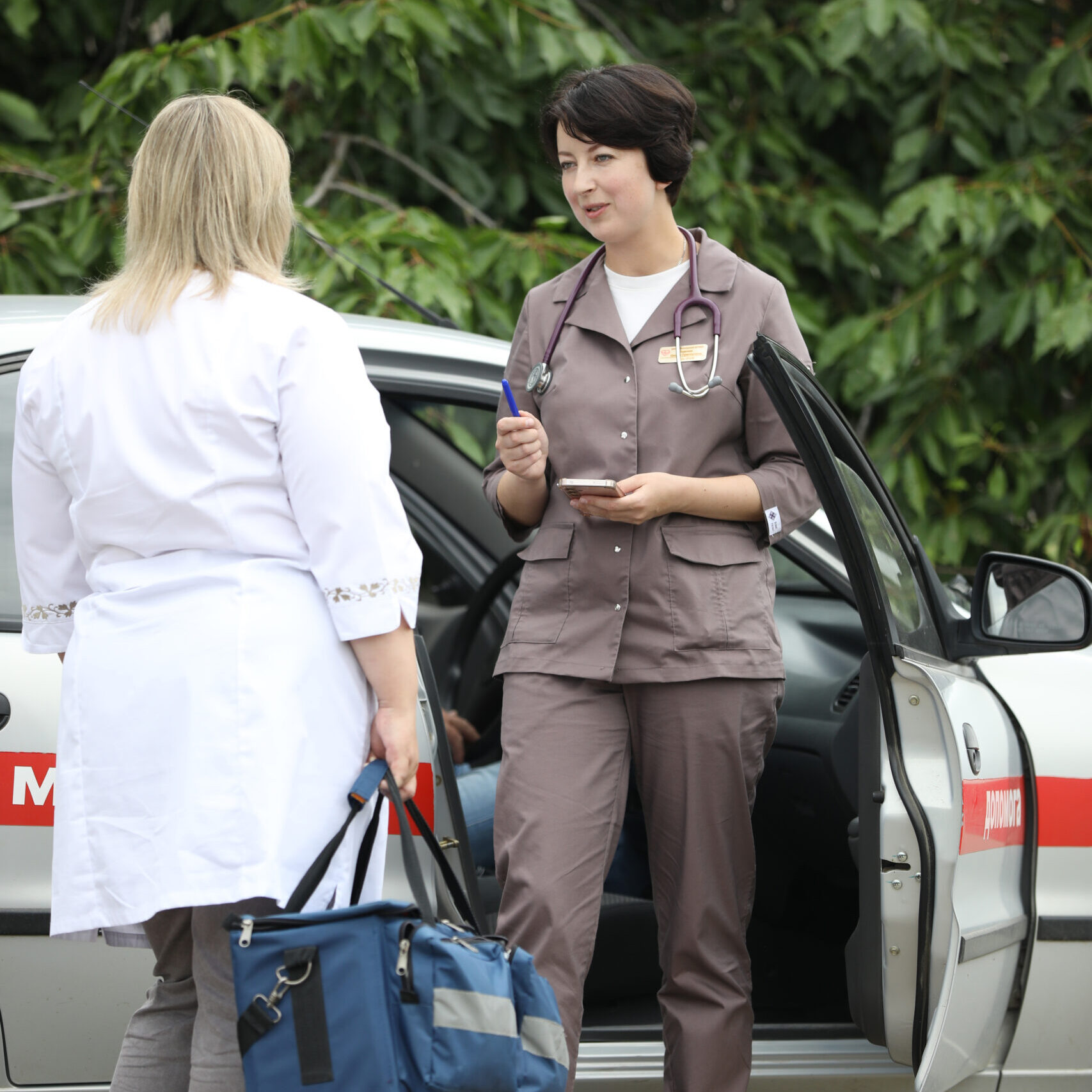
For many people, rehabilitation does not end when they leave the hospital. It continues at home, in their community. This is where family doctor Olha Ishchenko provides care. After completing WHO training, she delivers basic rehabilitation services during home visits: assessing patients’ functional needs, helping select and assistive devices, teaching exercises, and supporting people throughout their recovery. Olha believes that successful rehabilitation begins with motivation and a shared goal.

There is always a lot of work, it is never boring.
I like it when patients are sincerely grateful, when patients smile, when they say that even after a conversation they already feel much better.
If a person, for example, has some severe complications of a stroke, it does not mean that they will always be that way.
Sometimes it is the hardest thing to convince a patient that they need treatment. And this is not primarily about pills, injections, or drug treatment, but about working with the patient as an individual, as a person, as a socially connected human being, let’s put it that way.
Regarding how physical therapists evaluate their patient, this was new and confusing to us. How they view them not in terms of their condition, but in terms of who they are in society.
And from this perspective, evaluating what a person’s needs are, we determine the goals for the person accordingly — some main big goal, and then break it down into smaller goals, so-called SMART goals.
For our patients, the most important thing, probably, is attention to their situation, to their life. And it is also important for them that we give them that hope, a reason to work, to motivate some patients — because sometimes they come home, give up, and that’s it: “I don’t want to live anymore, I can’t”. We still need to set a goal and motivate the patient to work together with us. Still, one can find a way out of any situation, one can find a strategy.
I am inspired by relatives, close ones, acquaintances, friends, a loved one, music, rest, fresh air.
I visit new countries, new places, I meet new people.
It helps to recharge, because burnout is still present.
Even if we calm down, sleep at night, but over time you need a vacation — then you need a change of scenery and location, and then return to work recharged.
The Story of Olha Ishchenko
Olha is a family physician at the Teplytsia Primary Health Care Centre.
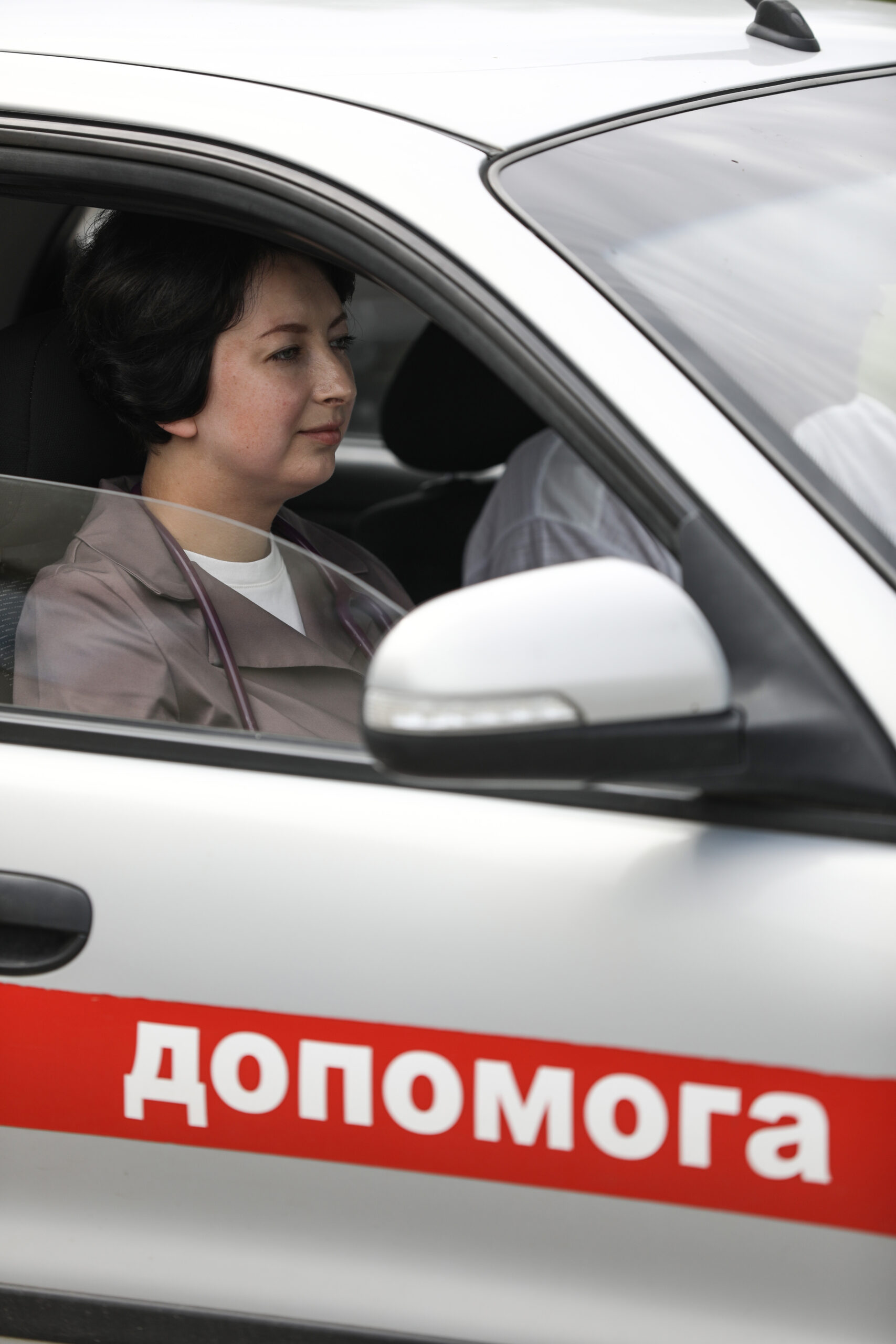
For many of Olha’s patients, rehabilitation does not end when they are discharged from hospital — it continues at home, in the community where she works every day.
People in the community return home after a serious illness or complications following a stroke and sometimes lose hope, saying that they no longer want to go on living. In such moments, Olha’s role is not only to help them regain lost functions, but also to help them return to their familiar routines, relationships, and activities that give their lives meaning. Together, they identify a goal that can serve as the starting point for this journey.
This approach lies at the heart of the rehabilitation care standards being implemented with the support of WHO. Following appropriate training, family physicians can assess the difficulties a person faces in everyday life, select the assistive devices they need, and demonstrate simple exercises that can be performed at home. Goal-setting also plays an important role: a larger goal is broken down into small, achievable steps so that the person can see their progress and stay motivated. This is the approach Olha learned during WHO training.
“I love it when patients are genuinely grateful, when they smile, when they say that even after talking to us, they already feel so much better.”
Olha draws the energy for this daily commitment from her family, friends, music, and travel. A new route or a new country, she says, helps her reset when emotional exhaustion and fatigue begin to take their toll. After taking time to recharge, Olha returns to her patients in the community with renewed energy and a belief that there is a way forward from any situation.