Olha Shulha
Occupational Therapist at the Center of Excellence, Dnipro
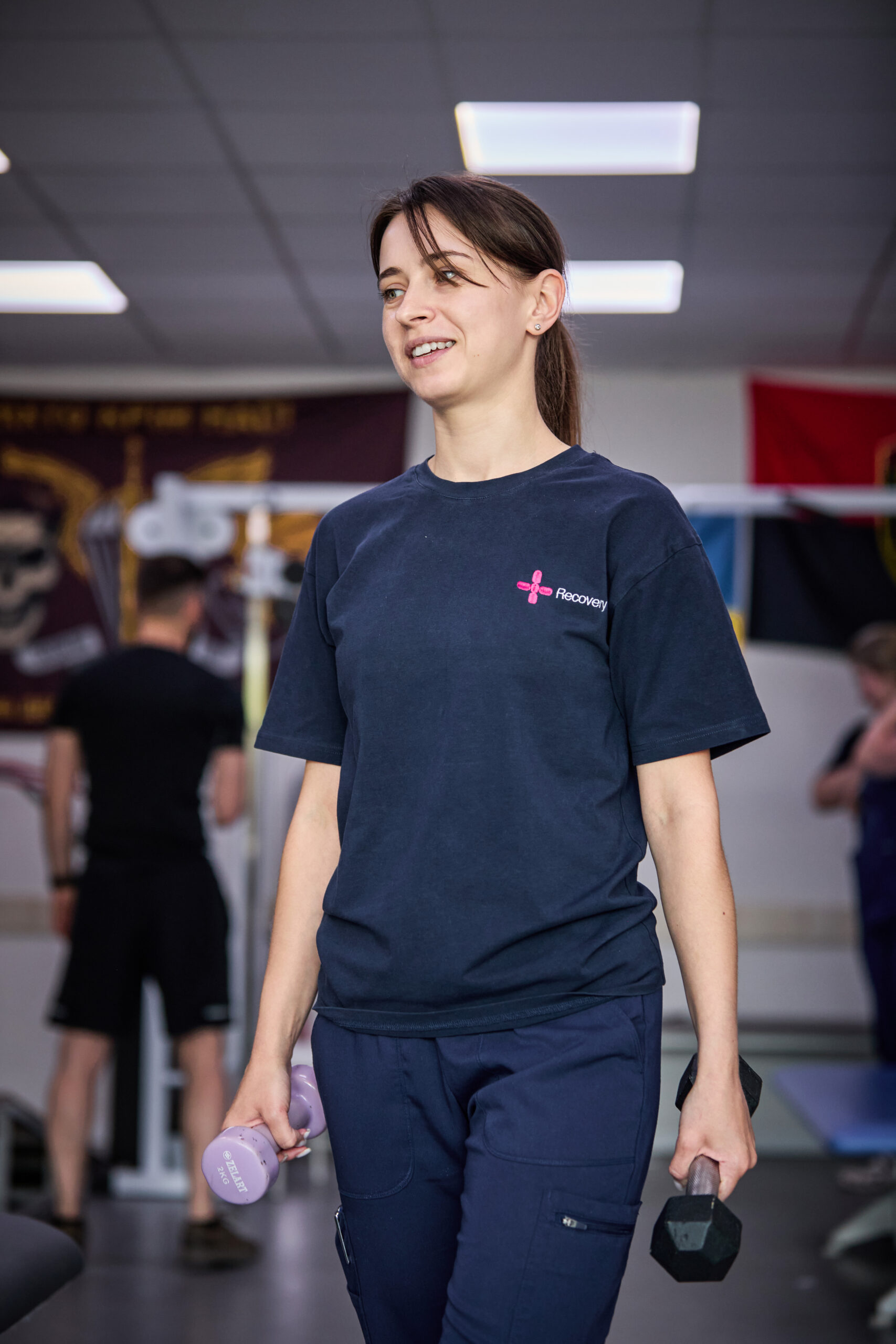
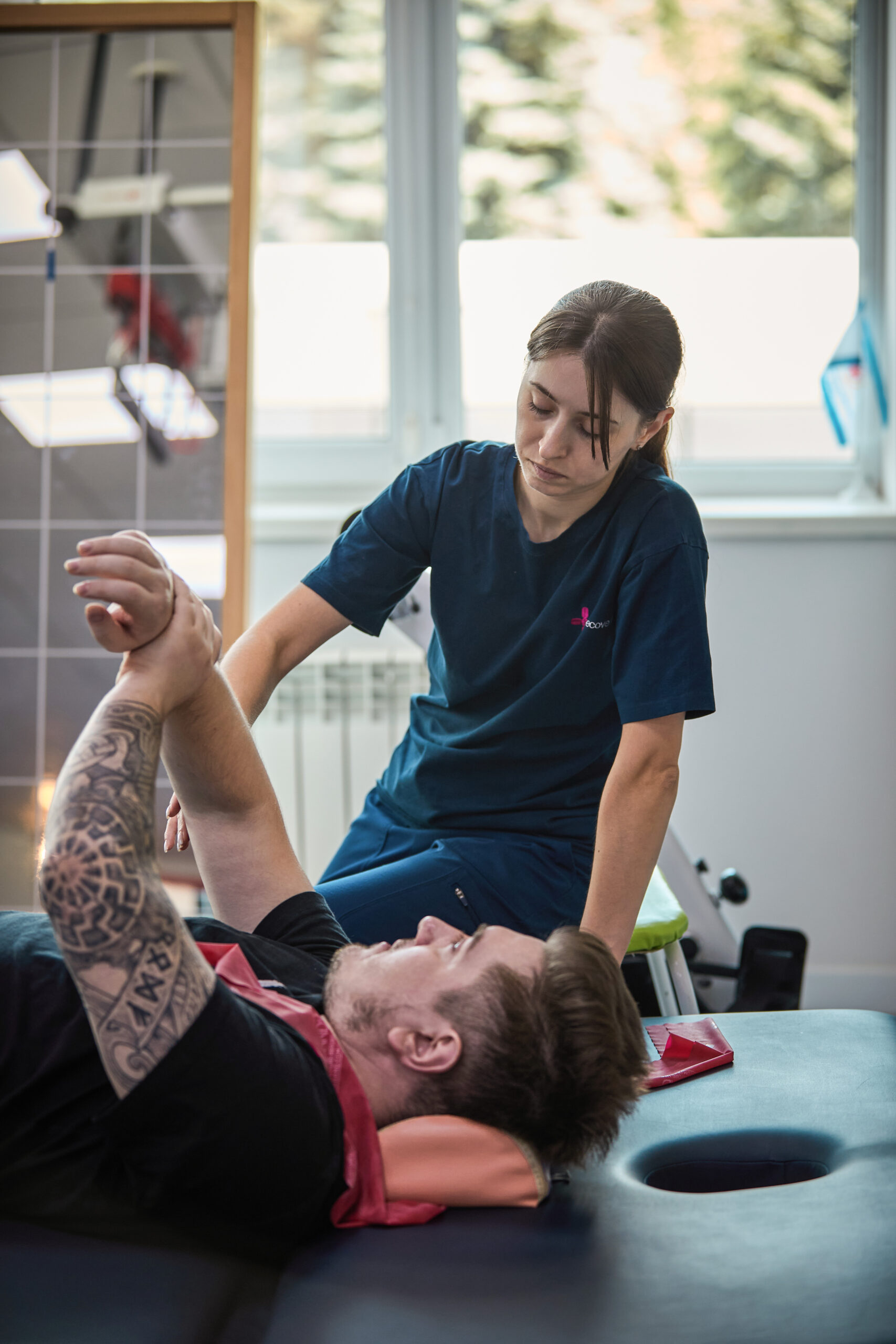
Olha helps people recovering from injury regain not only the abilities they temporarily lost, but also their sense of independence. For her, rehabilitation begins not with exercises, but with trust. She believes that a patient’s greatest victory is the moment they are once again able to do something independently that once seemed beyond their reach.

In childhood, I dreamed of becoming a professional athlete. Perhaps that is how I came into rehabilitation, because professional sports mean injuries. And I wanted not only to be an athlete but also to help athletes. In general, my path in rehabilitation began with sports.
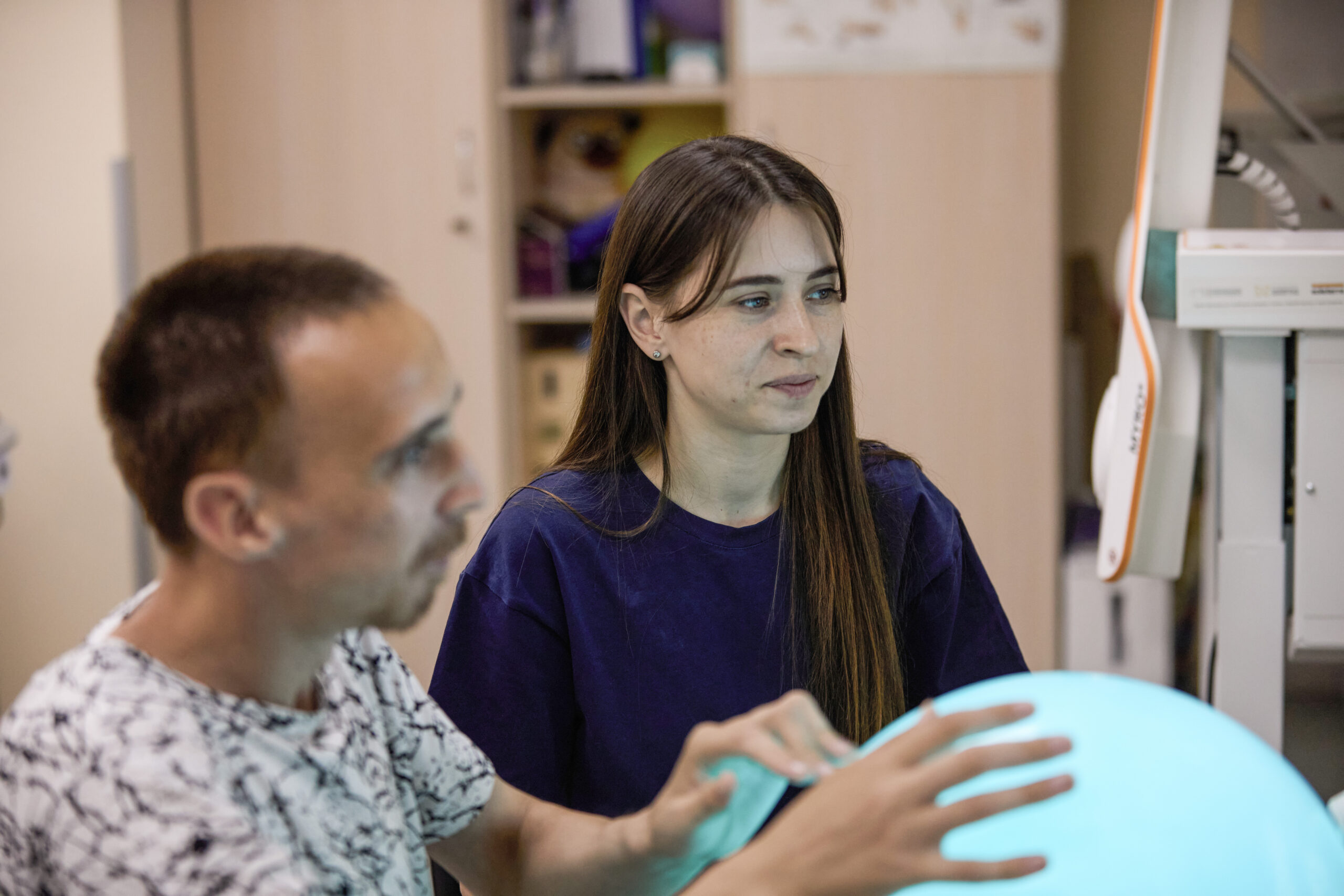
Occupational therapy is, first and foremost, about life. It is a return to independence, to the actions that you performed before, to actions you did before, but can’t do due to an injury.
You think about the person’s future and about how they will continue to live in society with their injury, adapting to life.
We teach patients to live with this or that injury or to adapt the space — this is exactly what we adapt. Therefore, very often patients return to us and share their incredible stories. And that’s really cool.
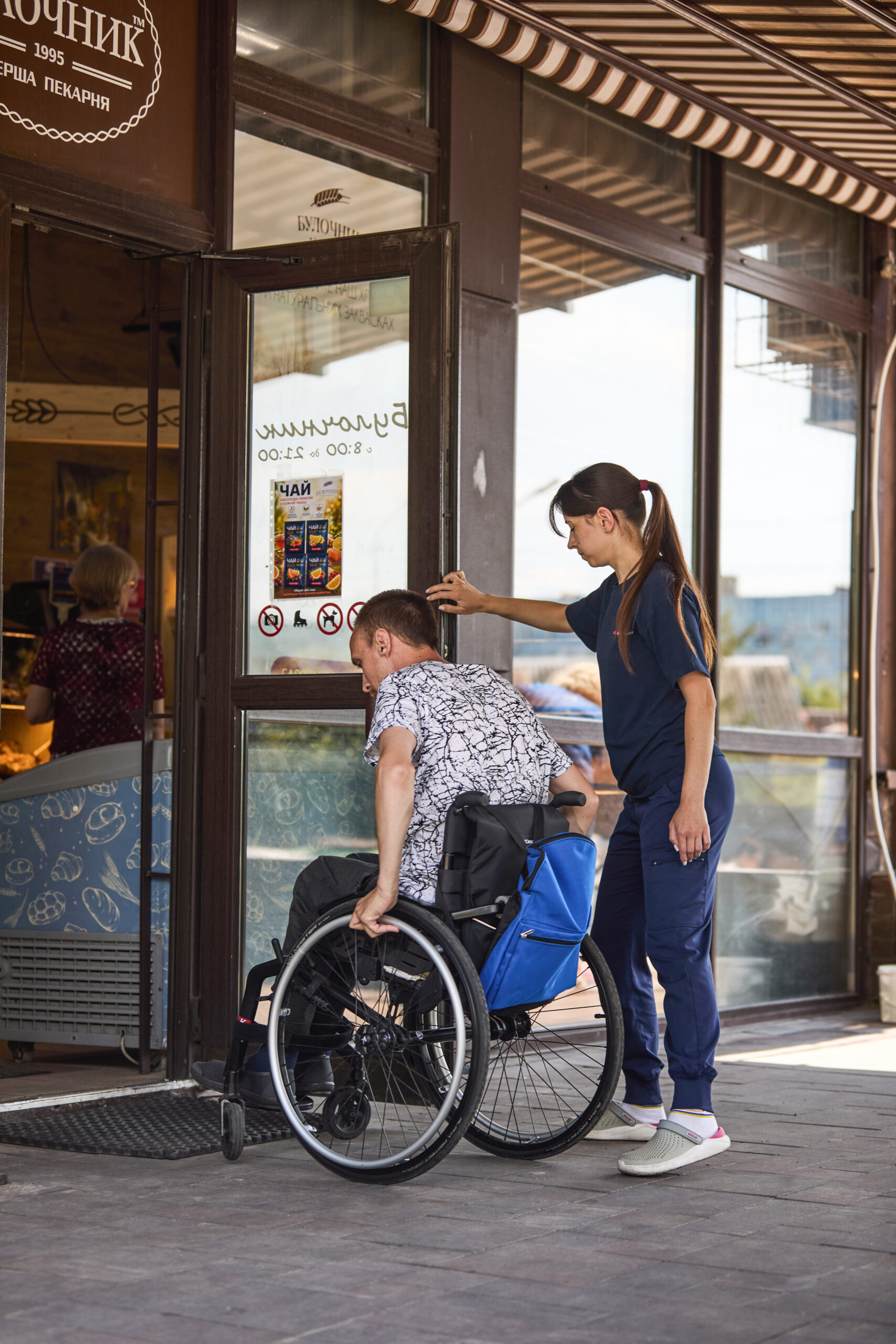
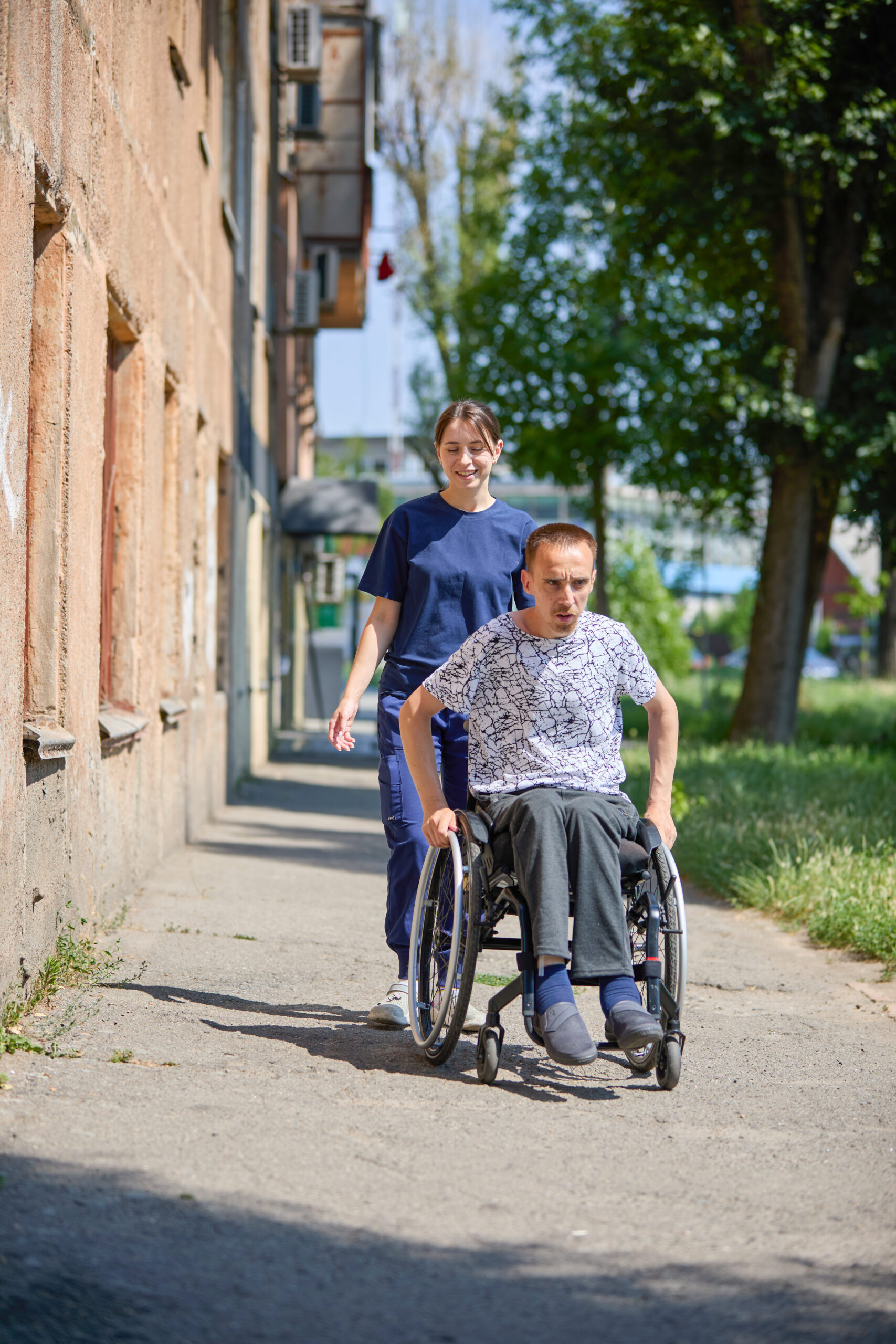
Barrier-free accessibility means getting to a place, for example, even to a coffee shop or the beach, safely — even in a wheelchair. Barrier-free accessibility is doing what you want within society.
For us, every day is a victory. In general, occupational therapy consists of such small activities: washing up, getting dressed, eating. And each time it is a victory for the patient.
We are all working at a frantic pace, encountering very complex injuries that we have not seen before. Therefore, I believe that our entire team is very stress-resistant.
I have a recent patient with an upper limb amputation. We went through pre-prosthetic rehabilitation together, walked the entire path from A to Z. He is independent, works, drives a car, has returned to work — he has fully adapted.
We are forming a large team and we work in it. At the center is the patient, his family, and we are all around, so to speak, working as a team. Our training is unique in that teams from other hospitals come see our work in action just as our team works, we are an example for them and try to help them build the same system in their own hospital.
My young son — he’s four years old — myself, and my husband’s support give me the strength to move forward. And, of course, when I see the result of my work, when I truly see that we have succeeded, and we are not standing still.
The story of Olha Shulga
Olha is an occupational therapist at the Centre of Excellence in Dnipro.
As a child, she dreamed of becoming a professional athlete, and it was through sport that she found her way into rehabilitation.
“Professional sport means injuries. And I wanted not only to be an athlete, but also to help athletes. Occupational therapy is, first and foremost, about life. It is about regaining independence and returning to activities you used to do but can no longer perform as a result of an injury.”
What gives Olha the greatest satisfaction in her work is the moment when a patient does something simple independently for the first time after an injury — makes themselves a cup of tea or coffee, or braids their hair.
“Every day is a victory for us,” she says, referring to these small, almost imperceptible achievements.
And when full recovery is not possible, occupational therapists look for another way forward.
“If we cannot fully restore a function, we adapt.”
The most challenging part is finding a connection with the patient and establishing a shared goal. If that connection cannot be established, the team is always ready to involve a psychologist or even change the therapist — because what matters most is keeping the patient at the centre of the process.
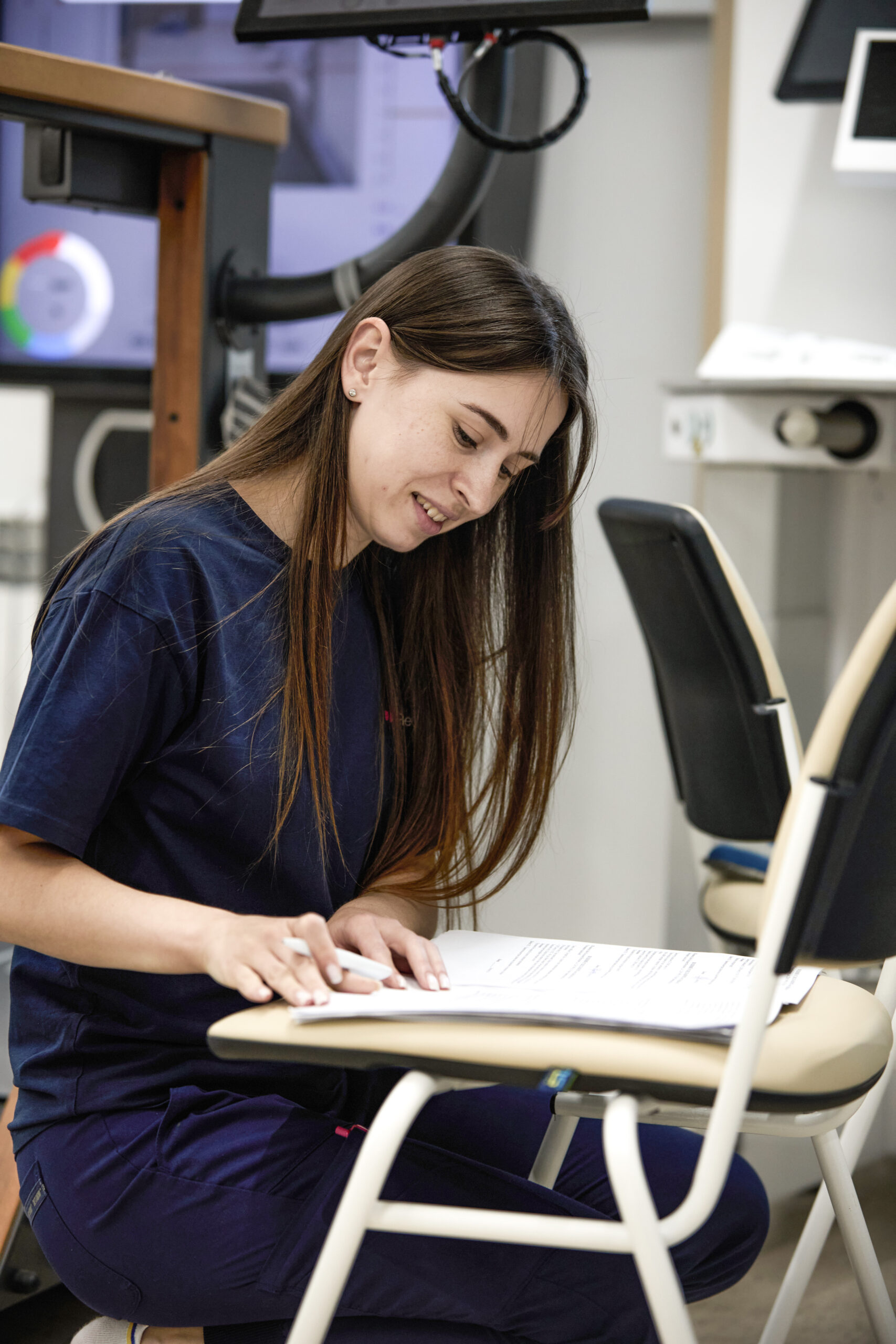
The Centre of Excellence, where Olha works, has become a training hub for multidisciplinary teams from across Ukraine. This gives visiting specialists an opportunity to see the work from the inside: how the team assesses patients, makes joint decisions, and communicates across disciplines — between the Physical and Rehabilitation Medicine physician, occupational therapist, speech and language therapist, psychologist, and social worker.
“There has never been training like this in Ukraine before,” Olha says.
When the full-scale invasion began, Olha was on maternity leave with her son, but she could not stay on the sidelines.
“I wanted to make at least some contribution, to help patients.”
She returned to work when her son was just one year old.
Her son, her husband’s support, her patients’ achievements, and long-distance running give her the strength to keep moving forward. Like many others, Olha’s dream is for the war to finally end and for peace to come.