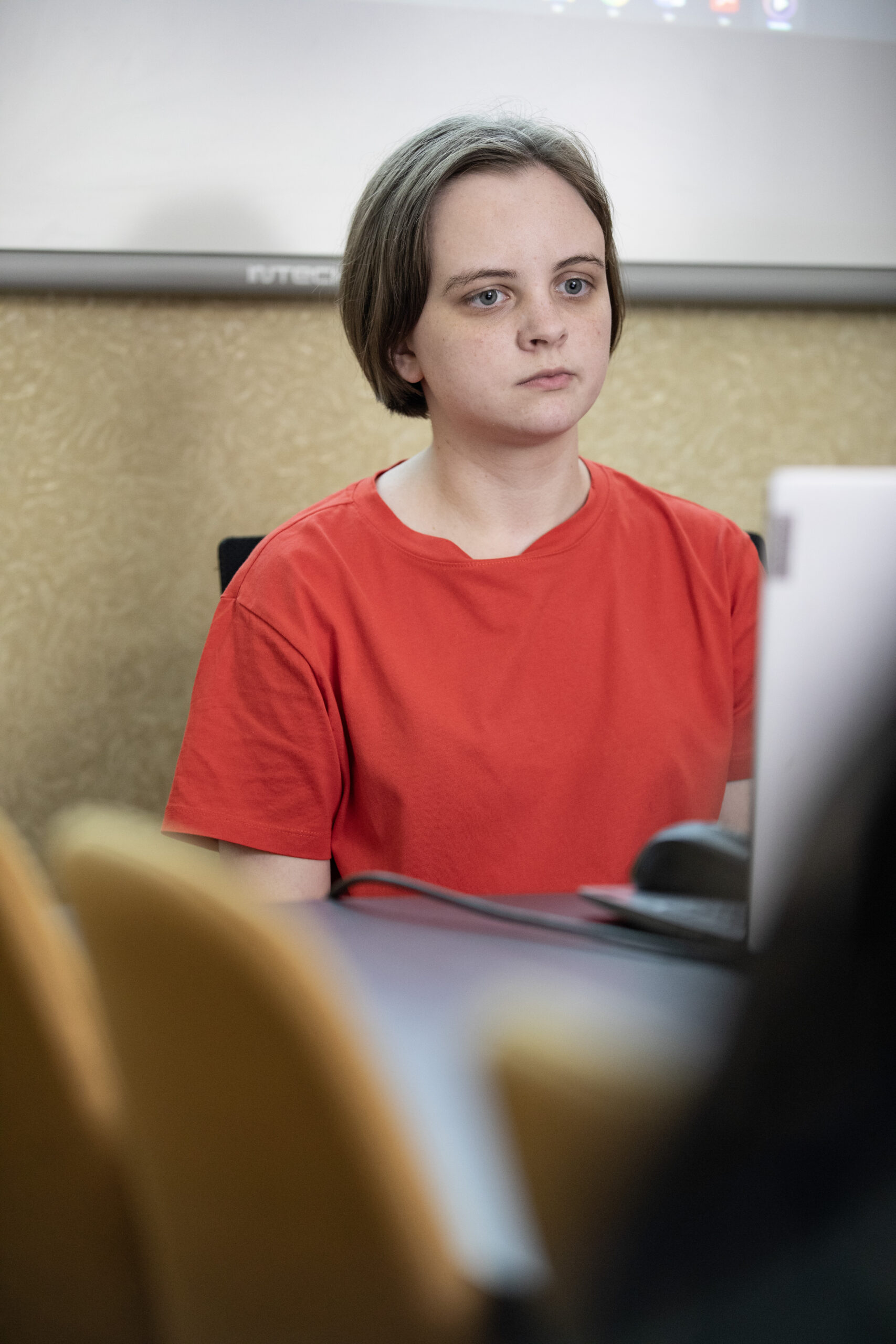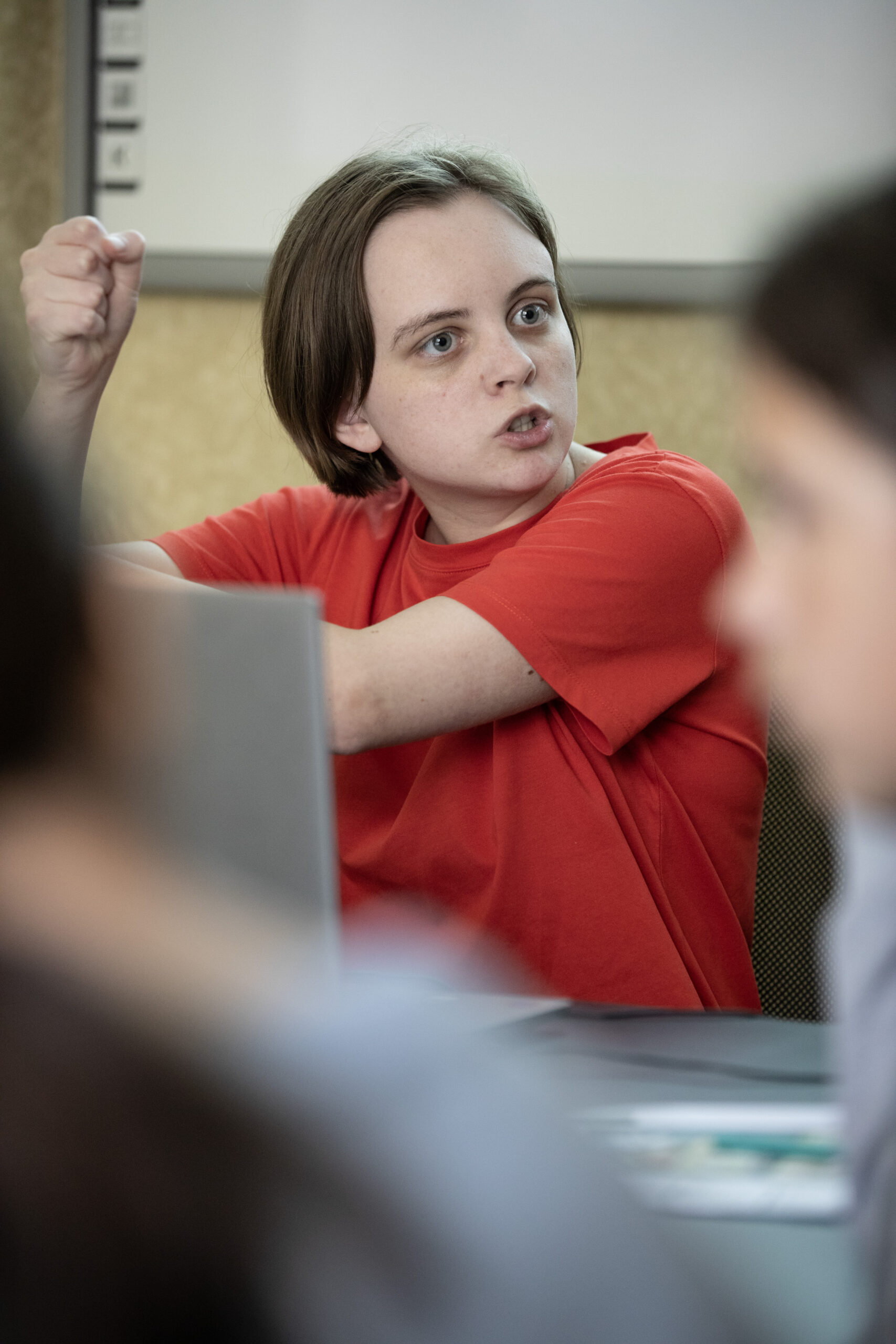
Tetiana Holyboroda
English language teacher and founder of a mini-school of English for autistic children and adults
Tetiana’s own life challenges the stereotype that autistic people cannot live independently, pursue higher education, build careers, or fulfil their potential. For her, every step her students take toward greater independence is a true victory. By teaching English to autistic children and young people, Tetiana helps them do more than learn a new language — she opens doors to greater opportunities for education, communication, and independent living.

I started working at this centre five years ago.
What I’m most proud of is helping break the stereotype that autistic people can’t work, can’t share their knowledge with others, and are destined to spend their lives isolated.
Every day, through my own experience, I prove those assumptions wrong.
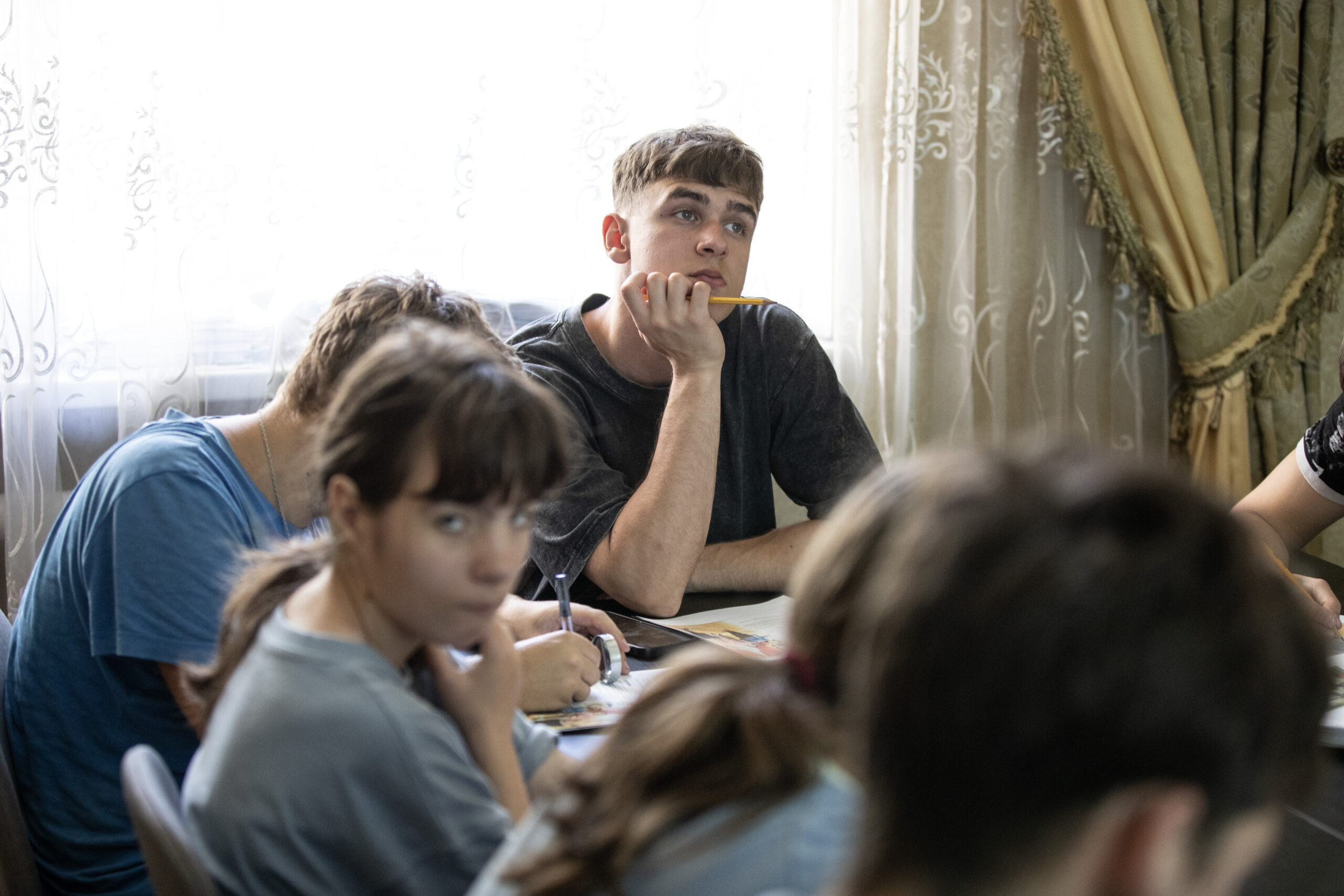
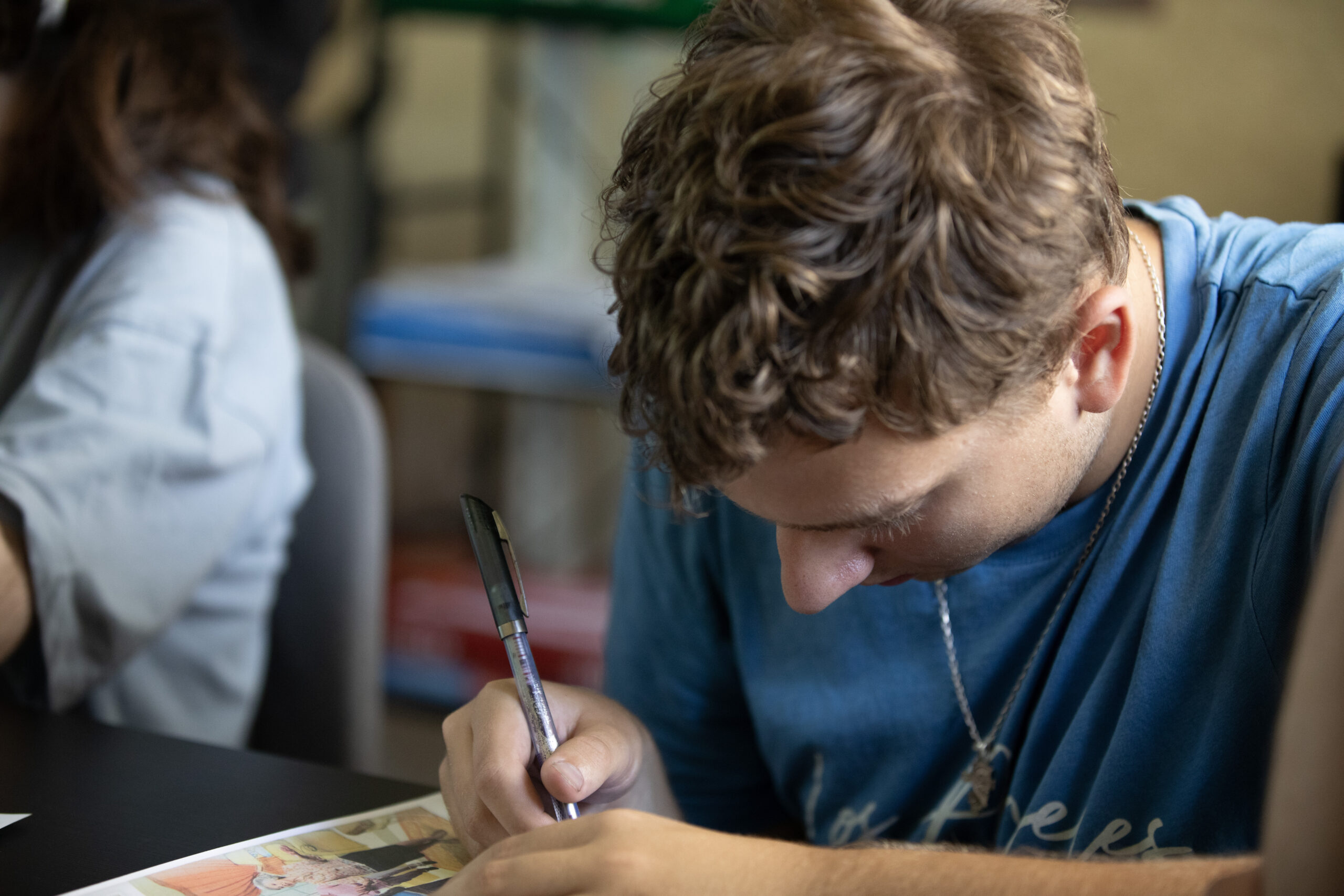
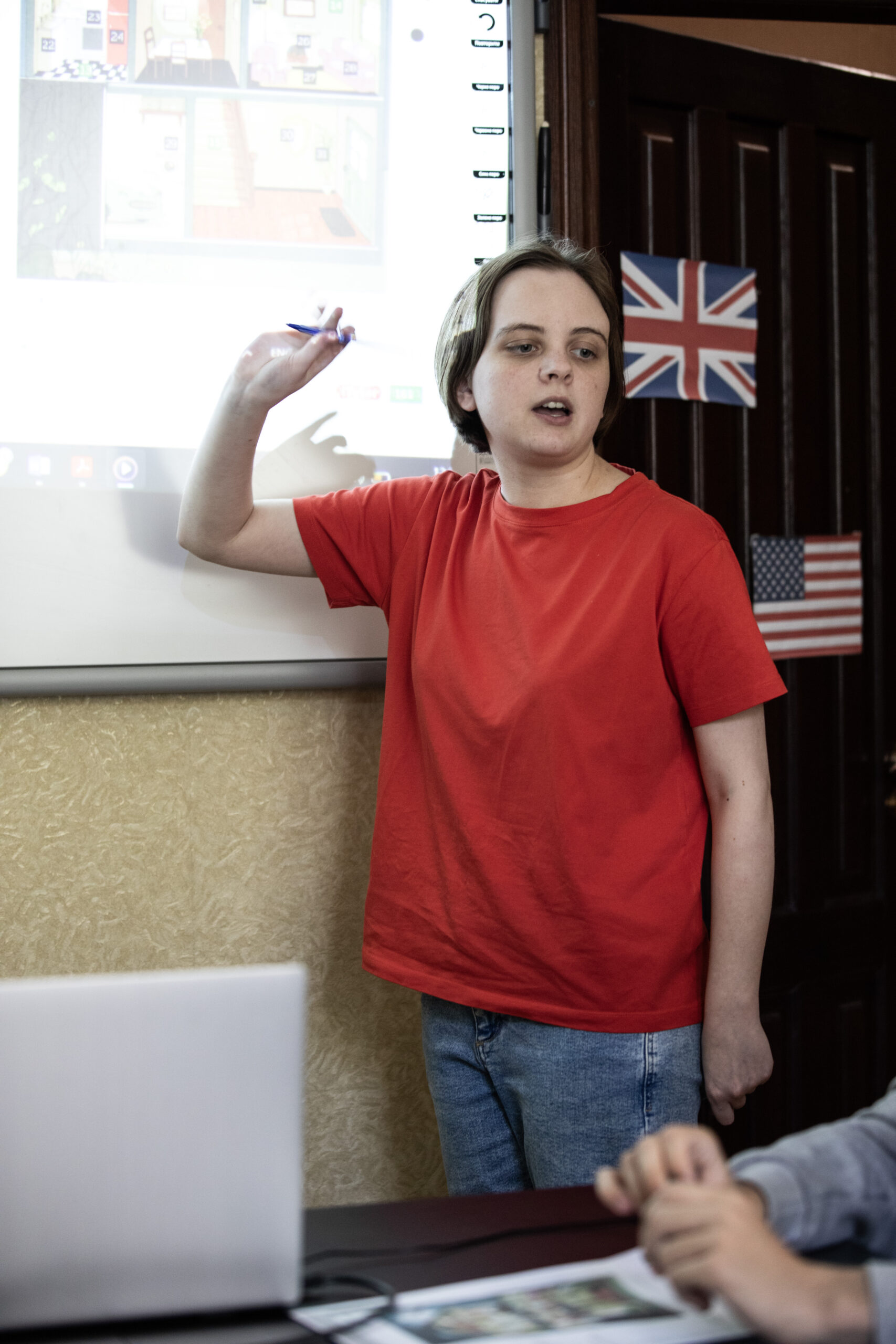
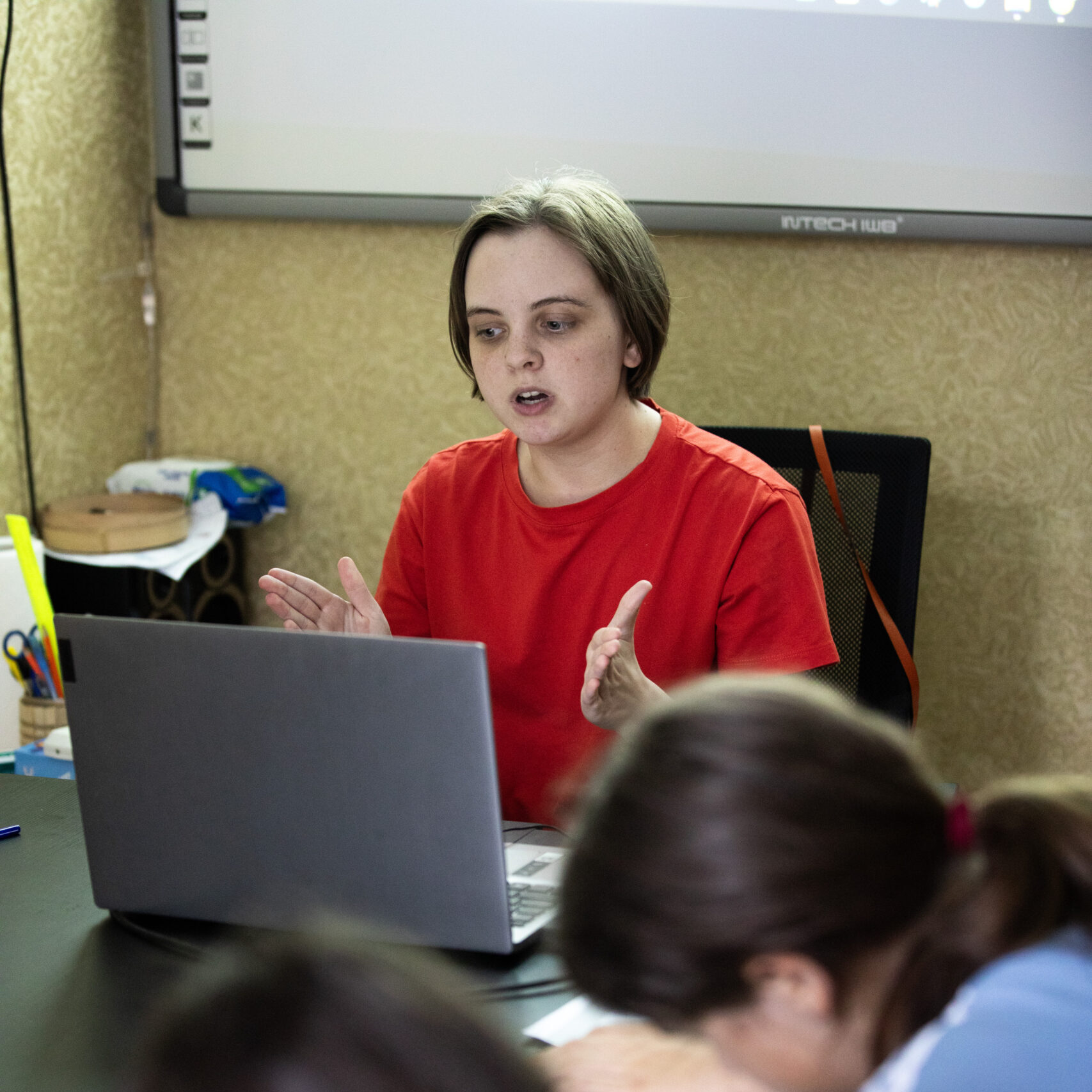
In our children’s groups, we play games, sing together, and use interactive activities because I’ve learned that children absorb information much more easily when they can see it. Visual learning makes a real difference.
What I like the most is the ways I can convey information to youth and children. I especially love designing creative, interactive, and social activities that help them communicate more confidently with one another.
I’m still working on expressing some things verbally. I’m still trying to overcome them. Today I can prepare and teach a lesson much more independently than I could before.
To me, independence is about having choices: choosing where to go, how to live your life, and being able to meet your own needs.
My next goal is growth. We want to expand — find a larger space, welcome more children. That is the next step I am planning to take.
(We’ve reviewed everything, and congratulations — you’ve done an excellent job.)
The Story of TETIANA HOLYBORODA
Tetiana is an autistic person, an English teacher, and the founder of a small school for children and young people with autism.
She entered the teaching profession in 2021, when she met a volunteer from the US Peace Corps. The volunteer inspired her to teach English. Tetiana decided to give it a try — and succeeded. Later, the young teacher independently applied for a grant and secured funding to establish her own small English-language school.
Tetiana teaches English using a unique methodology of her own. She incorporates games, singing, and visual cards, having noticed that these approaches make it easier for children to absorb information. With older students, she focuses on grammar, sentence structure, and pronunciation.
What gives Tetiana the greatest satisfaction is the opportunity to share knowledge through her own approach — using creative, interactive, and social exercises that help students learn not only the language but also how to communicate. For example, she and her students role-play everyday situations — where to go, what to buy, or how to ask for something in English.
“They say that autistic people are incapable of working, that they cannot pass on their experience to others, and that they should remain within four walls for the rest of their lives.”
Tetiana challenges this stereotype every day through her own example.
Last year, Tetiana travelled to Brussels to attend a conference dedicated to women with disabilities. There, she shared her own experience and learned how other women are developing their projects. According to Tetiana, adult women on the autism spectrum face discrimination even more frequently than men.
Tetiana’s next goal is to expand her small school: to find a larger space and give more children the opportunity to learn. Her personal dreams are to make more friends, travel more, and continue sharing her experience of living with autism both in Ukraine and abroad.